
Anxiety in Dogs | Nonsocial Causes Hiding in Plain Sight

Would you be able to tolerate a flashing alarm light in front of your eyes for a few minutes? Or would you feel less anxious walking down the same dark, isolated, and litter-filled alleyway every day? This might be a common experience for your dog.
Anxiety in dogs can build up and often worsens if not addressed. This phenomenon is known as "trigger stacking," in which repeated exposure to stressors increases fear, making dogs more anxious, reactive, or fearful across a wider range of situations.
While we often emphasize the importance of socialization, it's crucial to recognize that non-social factors can also contribute to anxiety in dogs. In addition to a lack of exercise and breed predispositions, various environmental elements can lead to anxiety.
This blog post will help you identify ways to naturally and humanely reduce anxiety in dogs without resorting to medication or hiring a dog professional.
Tight Spaces: Escape is impossible
Tight spaces, typically enclosed by walls and barriers, can make a nervous dog feel trapped and unable to escape. Sometimes, it only takes adding a dog or human to the space for it to feel tight in the anxious dog’s mind. That is why dog introductions in enclosed areas are sometimes discouraged.
When a dog refuses to enter an elevator or hides in a corner, it may be showing signs of anxiety or fear. Forcing the dog or using an e-collar will only worsen the situation.
A quick list of common tight spaces typically found in urban settings or any house includes:
Elevators
Small hallways
Bedroom
Bathroom
Kitchen
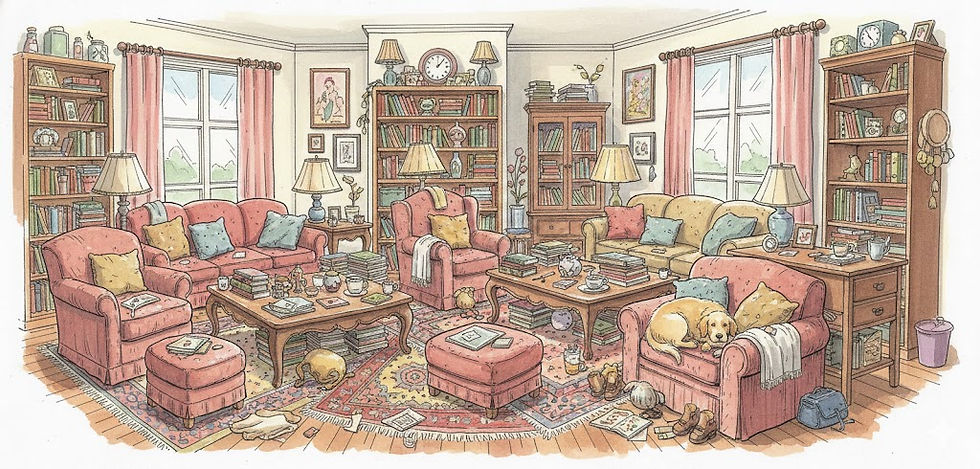
Busy rooms (with furniture)
Vehicle
Revolving doors
Crouded street
Human circling the dog
Grooming tubs
Tips to help your dog in tight spaces:
Pay close attention to your dog’s body language.
Don’t e-shock your dog into entering the space.
Declutter a room by using the “Keep, Donate, Trash” method and focus on small zones. Start with easy areas, like the entryway, to build confidence.
Avoid busy elevators by timing your trips during off-peak hours.
Take the stairs if it’s just one or two floors.
Consider an apartment community that is ADA-compliant, as the building must have multiple entry/exit options.
A city event with crowds and noise isn’t the best way to socialize your dog, as there will be plenty of things out of your control. Leave them at home.
Unapologetically ask others for space so your dog can breathe.
Consulting a certified dog behavior consultant may be necessary to properly desensitize or habituate the dog to these stimuli.

Why Some Dogs Refuse to Walk Across Slippery Floors
Going rugless is often preferred for practical reasons, such as ease of cleaning, reduced allergen accumulation, and the ability to showcase high-quality flooring. However, sensitive dogs may experience anxiety on slippery surfaces because they lack traction. This fear of falling can lead to physical discomfort and potential injury.
Dog paw pads can become slippery if their nails or the fur around their paws grow too long. Even if your dog seems happy when greeting you on a hard surface, slips and falls could create negative associations and lead to future anxiety at home.
Desensitizing a dog’s paws from puppyhood will help keep their nails trimmed and the hair around their toes short.
Additionally, placing rugs or using gym flooring in the dog's area can improve traction and absorb annoying sounds that may disturb their sensitive ears.
Reduce Dog Anxiety by Protecting from Electronics
Certain technologies operate over frequency ranges from kilohertz (kHz) to gigahertz (GHz) and beyond to enable rapid data transfer. This feature enhances the appeal of these devices by eliminating sounds audible to humans. However, they can emit sounds or signals that are undetectable to us, which pets may perceive and find uncomfortable.
High-Flickering Technology
High-flickering technology utilizes light sources that can influence how animals perceive visual information. Pets have a different flicker fusion threshold, which is the point at which rapid frames of video or quick pulses of light appear as a continuous image. While you may see a solid light or image on your smart TV, pets might perceive it as flickering.
Some dogs may not even notice smart TVs, but sensitive ones might react negatively to the light or images displayed on the screen.
Loud High-Frequency Technology
High-frequency technologies include wireless communication methods such as Wi-Fi, 5G, Bluetooth, satellite communication, radar systems, and smart devices.
Cats and dogs have different hearing abilities than humans, allowing them to pick up on sounds we might miss or hear less clearly. They can detect noises that are imperceptible to us—such as ultrasounds—which can affect or alert them, since these frequencies fall within their hearing range.
Human Hearing Range: Typically, 20 Hz to 20,000 Hz (20 kHz).
Dog Hearing Range: Extends significantly higher, up to 45,000 Hz (45 kHz).
Ultrasound Perception: What humans define as "ultrasound" (frequencies above 20,000 Hz) is simply part of a dog's normal hearing spectrum. While consumer electronics are designed to eliminate high-pitched noise audible to humans, they often emit residual ultrasonic frequencies that are audible only to pets.
The graph below illustrates this difference, showing that a large portion of a dog's hearing range lies beyond the range humans can perceive.

Examples of high-frequency technology are:
LEDs & LCD TVs
Smoke detectors & alarms
Wi-Fi & smart devices
Ultrasonic pest repellents
Microwaves & vacuums
Ultrasonic bark deterrents
Tips to help your dog with high-frequency technology:
Doctor Amber Fritz, the main vet at City Vet Slo Crossing, and Doctor Lee Pickett recommend giving your pet a room without electronics.
Things you can do:
Remove and replace wireless devices in the room.
Take out baby monitors, smart TVs, routers, and smart speakers.
Switch to wired connections whenever possible.
Turn off Bluetooth on devices.
Replace electronic alarm clocks with analog clocks.
Turn off the power sources at night
Use plug-in timers for devices.
Unplug devices when not in use.
Install electromagnetic field shielding blackout curtains. Although they can be pricey, their cost may be less than a veterinary bill with follow-ups.
Ultrasonic bark deterrents
High-frequency dog barking deterrents are considered a bark control tool to help stop nuisance barking. These devices emit a high-frequency sound, typically 20,000 to 25,000 Hz, lasting from a fraction of a second to several seconds.
The projected growth of this market must raise concerns among dog owners, veterinarians, and dog advocates. According to Archive Market Research, the global market is expected to reach approximately $800 million by 2033, with North America leading the way. This growth aligns with anticipated increases in dog ownership and related pet care expenditures through 2033. Does this mean an increase in dog anxiety? This certainly warrants further research and scrutiny.
Another concerning aspect of ultrasonic barking repellents is that many people mistakenly view them as a "humane approach" to train dogs. They are designed to interrupt barking by emitting sounds humans cannot hear.
When it comes to training a dog with these devices, whether the owner is aware or not, these are some of the things ultrasonic bark deterrents teach a dog:
“Barking makes scary noises happen.”
“This area isn’t safe.”
“I feel anxious for no clear reason.”
A Reddit post by "Neighbors From Hell" highlights an important reality for dog owners: your immediate neighbors may be using devices that can affect your dog. If you notice that your dog suddenly freezes, avoids certain areas in or around your house, or exhibits unexplained changes in behavior, your neighbor may be influencing your dog's behavior.
10 Ways to Protect Your Dog from Ultrasonic Bark Deterrents:
Collaborate with your dog care team, including your veterinarian and a certified dog behavior consultant.
Supervise your dog while they are outside.
Maintain a distance from fence lines or neighboring yards.
Close windows whenever possible to reduce noise exposure.
Use rugs, curtains, and soft furnishings to help absorb sound.
Play white noise or calming music to create a soothing environment.
Address the underlying reasons for barking.
Communicate with your neighbors about any concerns.
Review your Homeowners Association (HOA) regulations or local noise/animal welfare laws.
Keep a record of any behavior changes, noting dates, times, and locations.

It’s important to remember that humane treatment means treating animals with compassion and minimizing their pain and distress. The sounds emitted by ultrasonic devices can cause discomfort and pain in dogs. A more effective and sustainable approach involves addressing your dog's unmet needs or the environmental stressors they encounter.
Conclusion
We design our homes with people in mind, which doesn’t always accommodate our canine companions. Certain areas can become uncomfortable for dogs if they lack the option to move away from things that distress them.
The time we’ve spent at home since the COVID-19 era, using everyday electronics and appliances, may have added another layer of complexity to managing dogs with anxiety. It is essential to observe both the obvious and subtle signals from your dog and identify other potential contributing factors to address their anxiety effectively.
Here at Two Dads Dog Training, we wish all puppy owners would approach socialization in tight spaces with the same dedication they would show when taking their pups to a home improvement store. Socialization goes beyond greetings and playtime at the dog park; it's about helping your dog feel safe and confident wherever you take them.
If you suspect that non-social factors in your environment are contributing to your dog's anxiety, please consult your veterinarian or a certified dog behavior consultant as soon as possible. The earlier you seek help, the easier it will be to support your dog.

Comments